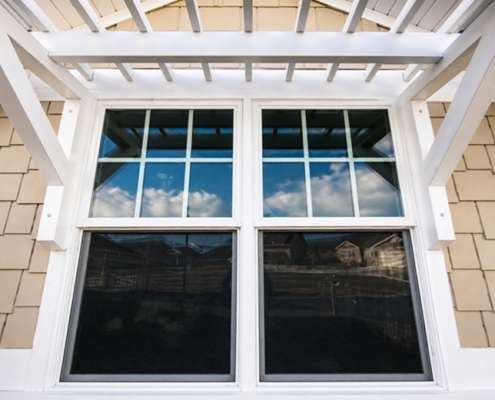
How Better Window Design Blocks Solar Heat In Central Texas Homes
Better window design blocks solar heat by controlling how sunlight, infrared heat, air leakage, and frame temperature move through the opening. For homeowners comparing window replacement Austin, TX options, the right design is usually not one magic feature. It is the combination of low-E glass, insulated frames, tight installation, and window style matched to the side of the house that gets punished by the sun.
The Problem Is Not Just Sunlight, It Is Heat Gain
In Central Texas, a bright room can turn uncomfortable fast because glass lets in more than visible light. Solar heat gain is the heat from the sun that passes through a window and warms floors, furniture, walls, and indoor air. Once those surfaces heat up, the room can stay warm even after the sun moves.
That is why a room may feel hot at 7 p.m. even though the sun hit it hardest at 4 p.m. The materials inside the room have stored heat and are slowly releasing it. Your air conditioner then works against both outdoor heat and the heat already trapped inside.
We often see homeowners blame the HVAC system first. Sometimes the system is part of the problem, but if one west-facing room bakes while the rest of the house feels fine, the window is usually a major clue.
Glass Does Most of the Heavy Lifting
Modern glass packages are designed to reduce heat transfer while still letting in useful daylight. The key feature is low-E glass, short for low-emissivity glass. It has a thin coating that reflects a portion of infrared heat while allowing visible light through.
Not all low-E glass feels the same in a real home. Some glass is better for blocking harsh afternoon sun, while other glass is meant for colder climates where passive solar warmth is useful. In Austin, Round Rock, Cedar Park, and nearby areas, we usually care more about controlling solar heat than capturing it.
Two ratings help explain this. U-factor measures how well the window slows heat transfer. Solar Heat Gain Coefficient, often called SHGC, measures how much solar heat gets through. A lower SHGC is usually better for hot exposures, especially south and west sides.
The non-obvious part is that the lowest SHGC is not always the best whole-house choice. If a shaded north-facing room already feels dim, overly aggressive glass may make it feel cave-like. Better design means using the right glass for the exposure, not treating every opening like it faces the same sun.
Frames Matter More Than They Get Credit For
Glass gets the attention, but the frame can still act like a heat bridge. A heat bridge is any material path that lets outdoor heat move inward more easily. Older aluminum frames are common examples because metal conducts heat quickly.
Vinyl, fiberglass, and thermally improved frame designs slow this transfer better. A well-built frame also helps the sash, the moving part of the window, close evenly and compress weatherstripping properly. That matters during long hot spells when small air leaks become daily comfort problems.
Here is a field lesson homeowners often miss: a window can have good glass and still perform poorly if the frame is warped, undersized, or poorly supported. We have seen openings where the glass was not the weak link. The real issue was a tired frame letting hot attic-side air or exterior air wash around the unit.
Why Window Direction Changes the Right Choice
East-facing windows heat up early, but west-facing windows usually cause the biggest comfort complaints. Late afternoon sun hits when outdoor temperatures are already high. That creates a stacked load on the room and on the air conditioner.
South-facing glass can also be a challenge, especially on wide ranch-style homes with long walls and limited shade. North-facing windows usually get less direct sun, so clarity and daylight may matter more there.
If you are comparing home windows Austin TX homeowners commonly choose, ask how each option handles different exposures. A one-size glass package may be convenient to order, but it may not solve the hot-room problem that started the project.
For ranch homes, this matters even more. Many older ranch layouts have large living room windows, shallow roof overhangs, and bedrooms lined along one sun-heavy wall. The best window replacement companies for ranch homes Austin TX residents consider should understand that layout before recommending styles.
A Realistic Austin Home Scenario
Picture a 1970s single-story home with a large west-facing living room window and two bedrooms on the same wall. The homeowner has good blinds, an air conditioner that was serviced recently, and ceiling fans running most afternoons. Still, the living room feels hot and the bedrooms lag behind the thermostat.
The cause is usually layered. The old glass allows too much solar gain, the frame conducts heat, and the original opening may have gaps around the perimeter. Window coverings help with glare, but once heat crosses the glass and warms the shade itself, much of that heat is already indoors.
After upgrading to better-designed windows, the room may not become ice cold in direct August sun. That would be an unrealistic promise. But the temperature swing can become easier to manage, the HVAC system may cycle more normally, and the room can feel less sharp and radiant near the glass.
If you want a trained eye on which openings are causing the biggest heat load, Hardy Windows of Texas can walk the home with you and help sort high-priority windows from lower-impact ones. Call 800-479-7759 to schedule a practical in-home conversation.
Design Choices That Help Without Making Rooms Feel Dark
Many homeowners worry that heat-blocking windows will make the house feel tinted or dull. That can happen with the wrong product selection, but it is not the goal. Good window design balances visible light transmittance, which is how much daylight passes through, with solar control.
Grids, sash size, and frame thickness also affect how open a room feels. A bulky frame can reduce glass area, especially on smaller bedroom windows. A slimmer profile may preserve more view while still improving efficiency.
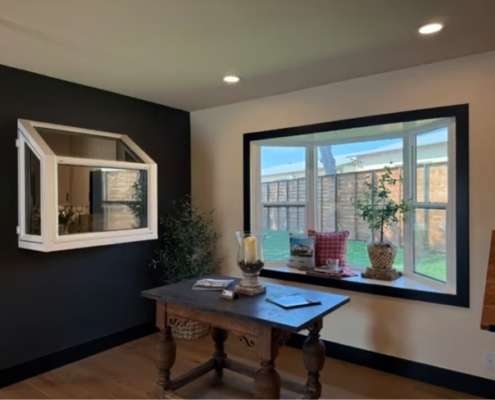
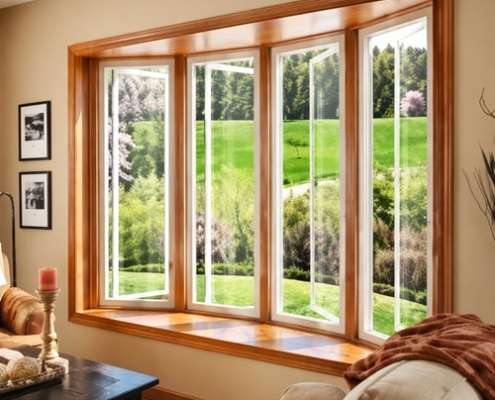
Double hung windows Austin homeowners ask about can be a good fit where traditional style and ventilation matter. With double hung windows Austin TX houses often use, both sashes can operate, which can help with airflow during mild weather. For some wide openings, however, a slider or picture window may provide more glass area and less visual interruption.
This is where showroom browsing alone can mislead people. A window that looks clear and attractive under showroom lighting may feel different on a west wall at 5 p.m. We prefer to connect the sample to the actual exposure, room use, and shade conditions before calling it the right fit.
Why Installation Can Make or Break Performance
A high-performance window still has to be set correctly in the wall. The opening must be measured accurately, leveled, sealed, insulated around the perimeter, and finished so water and air are managed properly. If that connection is sloppy, heat finds the weak path.
One overlooked detail is the space between the replacement unit and the rough opening. Too much gap can make insulation uneven. Too tight a fit can limit adjustment and create stress points that affect operation over time.
Ignoring failing windows can also create hidden trouble. Heat and air leakage are the comfort issues you feel first, but water intrusion around aging frames can damage trim, drywall, and framing. Waiting until stains or soft wood appear usually means the project has become more involved than it needed to be.
Choosing Windows by Home Style, Not Just Specs
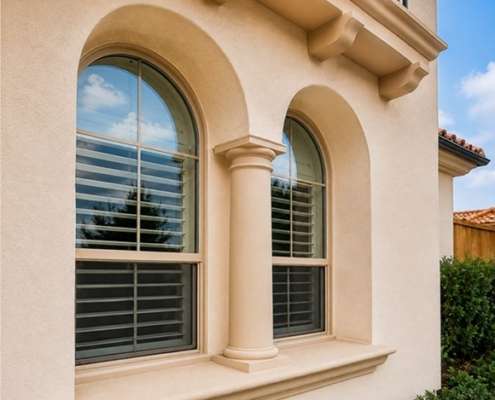
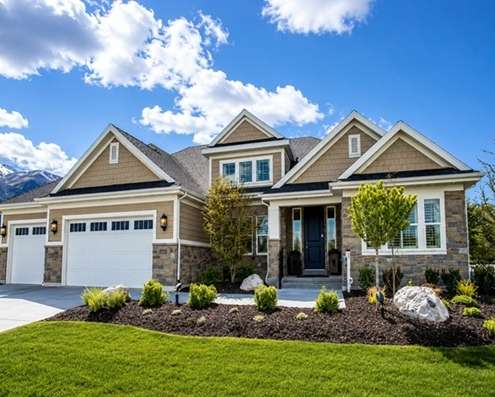
Austin has a mix of ranch homes, limestone exteriors, modern builds, and older houses with strong character. The right window should improve performance without making the home look mismatched. For more guidance on matching window choices to local architecture, we recommend reading our guide to window replacement for Austin home styles.
This is also why homeowners search for terms like hardy windows texas, hardy texas, hardy window, hardy window company, clarity windows austin, or austin window store when they are trying to compare local options. They are usually not just shopping for glass. They are trying to find someone who can explain what belongs on their house and what will actually help.
A good consultation should include questions about the hottest rooms, time of day, shade from trees or neighboring homes, window direction, frame condition, and whether the homeowner wants more ventilation or less glare. If a recommendation comes before those questions, it may be based more on inventory than on the house.
When Waiting Makes the Problem Worse
If your windows are only slightly outdated but still tight and dry, planning ahead is reasonable. But if rooms are uncomfortable, frames are sweating, sashes are loose, or the glass area radiates heat like a panel heater, delay has a cost in comfort and wear on the home. The longer the wall system deals with heat, air movement, and possible moisture, the more chances there are for finish damage.
Acting early also gives you more control over priorities. You may choose to start with the harshest west and south exposures instead of replacing every opening at once. That kind of phased plan works best when someone evaluates the whole house first, not just the single window that bothers you most.
Better window design will not change the Texas sun, but it can change how much of that sun gets invited indoors. If you are weighing window replacement Austin, TX choices and want straight guidance on glass, frames, style, and installation, Hardy Windows of Texas can help you make a confident plan at 800-479-7759.