When Bow Windows Create a Brighter Focal Point in Your Living Room
A bow window can make a living room feel brighter and more open when its curve, glass layout, and placement work with the room, not against it. For homeowners considering window replacement Round Rock, TX, it is worth treating a bow window as a design and exterior-wall decision, not simply a larger replacement window.
Key Takeaways
- Bow windows project outward in a gentle curve, changing daylight and sightlines.
- More glass does not automatically create a better-lit or more comfortable room.
- Room size, furniture clearance, wall condition, and exterior design all affect fit.
- Operable sections, glass selection, and window treatments can address comfort and privacy.
- A professional site evaluation should happen before committing to a new opening or projection.
Why a Bow Window Can Change the Way a Living Room Feels
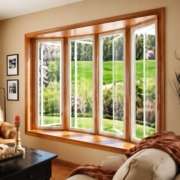
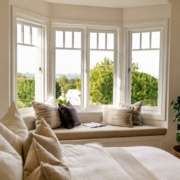
A bow window joins several window units into a curved outward projection. Instead of one flat plane of glass, the window catches views and daylight from several slightly different angles. That can spread natural light farther across a room and draw attention to one wall as the visual center.
The effect is often most noticeable in living rooms with a flat exterior wall, limited side windows, or a main seating area that currently faces an unremarkable opening. The added projection can also create a shallow ledge or interior nook, although it should not be treated as usable floor space unless the layout has been measured carefully.
Timing matters. Early planning gives you room to compare configurations and determine whether the exterior wall can support the design. Waiting until an old window is failing or water is entering the wall can narrow the conversation from thoughtful design to preventing further damage.
Myth: Bigger Glass Automatically Means a Brighter, Better Room
Glass area is only one part of perceived brightness. A living room facing strong afternoon sun may already have plenty of light, but the light can feel harsh, create glare on screens, and warm the seating area. Meanwhile, a room shaded by mature trees, a covered patio, or a neighboring structure may see a smaller improvement than expected from a larger window.
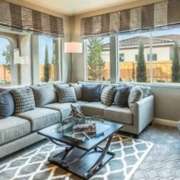
Interior finishes matter, too. Light-colored walls, reflective surfaces, and open furniture placement allow daylight to travel. Dark paint, tall bookcases beside the window, and a large sectional placed directly in front of it can block the benefit of the new focal point.
Comfort should be planned alongside daylight. Review Low-E glass options for Round Rock homes before selecting a configuration, especially when the wall receives direct sun. Low-E coatings are designed to manage solar heat transfer while still allowing useful daylight through.
Myth: Bow Windows Only Work in Large or Traditional Living Rooms
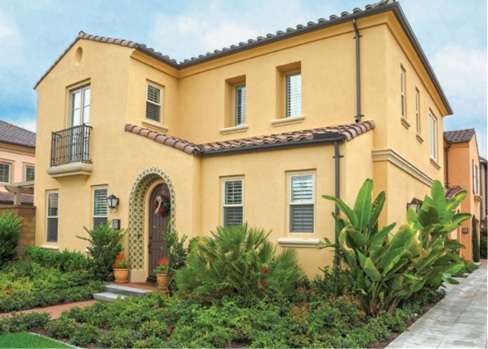
Bow windows are often associated with traditional facades, but the right arrangement can suit ranch, transitional, and some modern homes. The key is proportion. A long, shallow curve may blend into a simpler exterior better than a deep projection with ornate details.
In a smaller living room, projection depth matters more than the number of window sections. The outward portion is outside the wall, but the interior ledge and trim can still affect furniture placement. Measure the clear path around sofas, chairs, side tables, and drapery before deciding that the wall has enough room.
A good time to act is when you are already changing the room layout or replacing windows throughout the home. That is when you can account for how the focal wall, seating, and window covering plan will work together instead of forcing a new feature into an established arrangement.
Myth: A Bow Window Is Just a Bay Window with a Different Name
Both bow and bay windows project outward from the home, but their shapes are generally different. A bay window commonly uses a larger center unit with angled side units, creating a more angular profile. A bow window typically uses several narrower units arranged in a gentler curve.
That difference changes the focal-point effect. A bay window often looks more defined and geometric, while a bow window can create a softer, wider sweep across the wall. Neither is automatically better. Choose the style that fits the exterior lines of the home and the type of visual emphasis you want inside.
Myth: A Bow Window Has to Sacrifice Privacy, Comfort, or Ventilation
A fixed-glass-only design is not your only option. The configuration can be planned around how the room is used and what the wall faces.
- Operable units: Some sections can be selected to open, providing ventilation without making every panel operable.
- Window treatments: Shades, drapery, and other fitted coverings can manage nighttime privacy and direct sun.
- Glass selection: Discuss available glass choices with the provider to balance daylight, solar exposure, and visibility.
- Sun direction: Morning and afternoon exposure affect glare and heat differently, so orientation should guide the final selection.
Ignoring these details can leave you with a window that looks attractive but is difficult to use at certain times of day. In particular, unmanaged direct sun can make a preferred seating area less comfortable and lead homeowners to keep coverings closed, which defeats much of the daylight benefit.
Myth: If the Current Window Opening Is Fine, Planning Is Simple
Replacing a flat window with a projecting bow window changes more than the view. The wall, exterior cladding, framing, and water-management details need a close review before the order is placed.
- Wall condition: Hidden moisture staining, soft materials, or movement around the existing opening should be addressed in the plan.
- Exterior projection: The bow window needs adequate clearance from walkways, rooflines, landscaping, and other exterior features.
- Structural support: A projecting unit may require added support and careful framing evaluation to carry its weight correctly.
- Drainage details: The top, sides, bottom, and exterior connection must shed water away from the wall rather than trap it.
- Local requirements: A qualified provider can review applicable local building requirements for the proposed work.
- Installation access: Crews need safe, practical access inside and outside the home, including room for removal and placement.
This is the on-time stage for a professional evaluation. Once exterior deterioration or water intrusion is present, delaying can allow the surrounding wall materials to worsen and make the project more involved than a planned replacement.
Deciding Whether a Bow Window Should Be Your Living Room Focal Point
A bow window is a strong fit when you want broader daylight, a more intentional focal wall, and an exterior feature that matches the home’s proportions. Start with the purpose: Are you trying to improve a dark seating area, open a limited view, or give a plain wall more architectural presence? The answer should shape the window layout, glass, and opening sections.
Also weigh the floor plan honestly. Keep enough clearance for furniture and window treatments, consider how often the window will need attention, and make sure the projection will look balanced from outdoors. A bow window is not a small swap, and treating it like one can lead to compromises that are difficult to undo.
For window replacement Round Rock, TX, Hardy Windows of Texas can help you evaluate the existing wall, daylight goals, and practical installation conditions before you move forward. Call (714) 853-5390 to schedule a conversation about whether a bow window suits your living room.
Frequently Asked Questions
Will a Bow Window Make My Living Room Brighter?
It can, especially when the curved arrangement brings in daylight from more than one angle. However, shade, window orientation, nearby structures, furniture placement, and interior colors all affect the final result.
What Is the Main Difference Between a Bow Window and a Bay Window?
A bow window generally uses several units arranged in a gentle curve. A bay window commonly has a more angular shape, often with a central window and angled side units.
How Much Space Does a Bow Window Need?
The outward projection varies by configuration, so the amount of interior and exterior clearance should be measured for the specific design. Homeowners should account for furniture, window coverings, walkways, and exterior features near the wall.
Can Bow Windows Open for Fresh Air?
Yes, selected sections within a bow window can be operable. The right configuration depends on ventilation needs, the room layout, and the window style chosen.
Should a Bow Window Be Considered Before Replacing Other Windows?
It is often smart to evaluate it during broader replacement planning because glass, frame color, grid patterns, and exterior appearance can be coordinated. That said, it can also be considered as a focused improvement when one living room wall needs better light or visual interest.